You Coulda Had a Bad Witch SVG: A Designer’s Review
As an embroidery designer who has spent countless hours digitizing and testing files for real-world production, I approach every new machine embroidery design with a critical eye. It is not enough for a file to look cute on a screen; it must hold up under the needle, survive the wash, and resonate with the end customer. Recently, I evaluated the You Coulda Had a Bad Witch SVG Cut to determine its viability for commercial use in my small shop. This is not just a digital asset; it is a potential revenue stream, provided it is applied correctly.
First Impressions and Visual Personality
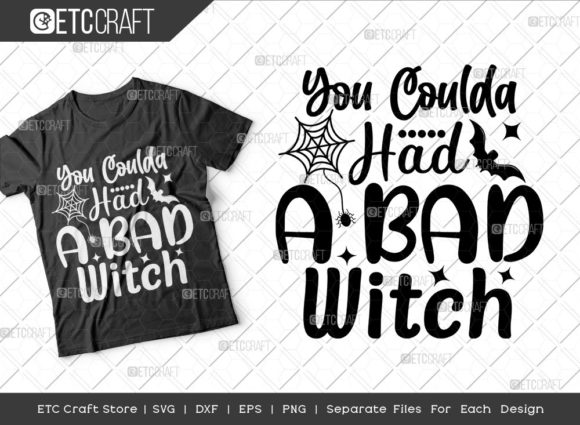
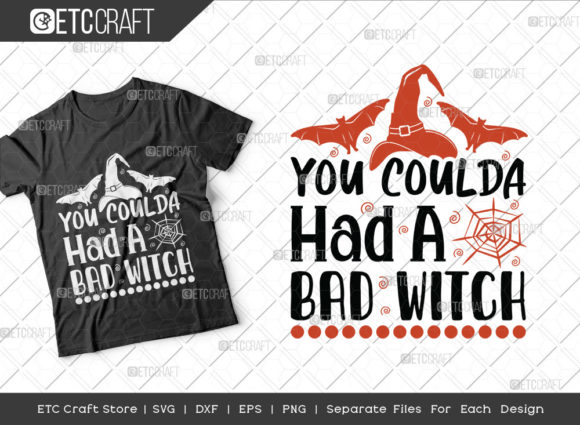
The immediate appeal of this design lies in its witty, conversational tone. The phrase "You Coulda Had a Bad Witch" plays on pop culture nostalgia while delivering a sharp, humorous punchline that fits perfectly within the current trend of sarcastic holiday decor. Visually, the layout balances text with thematic elements like spiderwebs and bats. For an embroidery project, this combination is crucial. Pure text can sometimes feel flat, but the inclusion of graphical elements adds texture and visual interest.
From a Crafts perspective, the mood is playful yet edgy. It does not lean into the overly cute or childish aesthetic often seen in Halloween designs. Instead, it targets a mature audience who appreciates humor. This distinction is vital for Etsy sellers and boutique owners trying to differentiate their handmade product lines from mass-produced imports. The design feels intentional, suggesting a level of professionalism that builds customer trust.
Real-World Application: The Tote Bag Test
To truly understand how this digital embroidery file performs, I simulated a common commercial scenario: creating a custom embroidered tote bag for a fall market. Tote bags are high-volume items for small shop products, but they present unique challenges due to the woven texture of canvas or cotton blends.
When placing the You Coulda Had a Bad Witch SVG Cut on a natural canvas tote, the contrast between the thread and the fabric became the primary concern. I found that using a bold white or bright orange thread against the natural beige background made the lettering pop. However, the finer details of the spiderweb required careful attention. If the stitch density is too low, these delicate lines may get lost in the weave of the fabric. Conversely, if the density is too high, the fabric might pucker. This is where the designer’s judgment comes in. I recommend running a test stitch on scrap fabric identical to your final product to gauge how the fill stitch and running stitch elements interact with the material.
Versatility Across Product Lines
Beyond tote bags, this design shows promise across various custom apparel and home goods. Here is how it translates to different mediums:
- Sweatshirt Embroidery: The soft texture of fleece or French terry provides an excellent backdrop. The design’s humorous quote works well on the chest or sleeve, offering a subtle yet funny statement piece.
- Embroidered Patch: Creating a patch allows for greater control over the backing and stabilizer. This is ideal for customers who want to add the design to jackets or hats without committing to direct embroidery on delicate fabrics.
- Holiday Embroidery Decor: Pillow covers and tea towels benefit from the seasonal theme. The design serves as a focal point, especially when paired with complementary thread colors like deep purples or blacks.
- Baby Embroidery: While the quote is humorous, ensure the context fits your brand. For some shops, this might be too edgy for baby items, but it could work for older children’s Halloween costumes or trick-or-treat bags.
Technical Considerations for Stitching Clarity
One of the most critical aspects of using any Graphics file for embroidery is understanding its limitations. The You Coulda Had a Bad Witch SVG Cut includes intricate elements like bats and webs. When scaling down for smaller hoop sizes, such as a 4x4 inch hoop for caps or baby clothes, these details risk becoming indistinct blobs of thread.
I advise checking the smallest text size carefully. If the lettering becomes too small, the satin stitch columns may merge, causing readability issues. For curved surfaces like caps, the design needs to be centered precisely to avoid distortion. Additionally, when working with dark fabrics, ensure you have high-contrast thread colors. A black thread on a black shirt will render the design invisible, no matter how good the digitizing is.
Stabilizer choice is equally important. For stretchy fabrics like t-shirts, a cut-away stabilizer is non-negotiable to prevent the design from warping after washing. For woven fabrics like aprons or pillow covers, a tear-away stabilizer may suffice, but always test first. The goal is to maintain the integrity of the finished product so that it looks professional and durable.
Commercial Viability and Brand Consistency
For creative entrepreneurs and digital product sellers, the licensing terms of any embroidery file are paramount. Before selling items made with this design, confirm whether the license allows for commercial use. Many designers offer different tiers of licensing, so read the fine print. Assuming commercial rights are granted, this design can significantly enhance your craft business portfolio.
The humor and relatability of the quote drive buyer engagement. Customers are more likely to share photos of funny, well-made items on social media, providing free marketing for your Etsy listings. However, consistency is key. If your brand is known for elegant, minimalist designs, this quirky Halloween piece might feel out of place. Ensure it aligns with your overall brand identity.
Final Designer Notes
Before committing to a large production run, take these practical steps:
- Test on Scrap Fabric: Always stitch out the design on the same type of fabric you plan to use for the final product.
- Check Thread Contrast: Use a color wheel to select threads that stand out against your fabric background.
- Inspect Small Details: Zoom in on the digital preview to identify any tiny elements that might not stitch out cleanly.
- Verify File Formats: The product description mentions SVG, DXF, EPS, and PNG. Ensure you have the correct format for your machine or cutting tool. Note that SVG and DXF are typically for cutting machines, while embroidery machines require specific formats like PES or DST. Confirm if an embroidery-specific file is included or if you need to digitize the SVG yourself.
- Mockup Testing: Create printable mockups to visualize the design on different products before stitching.
In conclusion, the You Coulda Had a Bad Witch SVG Cut is a strong contender for your Halloween lineup. It offers a blend of humor and style that appeals to a broad audience. With careful attention to technical details like hoop size, stabilizer, and thread choice, it can become a standout item in your commercial embroidery catalog. Treat it not just as a file, but as a component of a larger strategy to deliver high-quality, memorable personalized gifts and products.