Review: Witch in Training SVG for Baby Projects
As a designer who has spent countless hours digitizing and testing embroidery files, I approach every new asset with a mix of curiosity and skepticism. We all know the feeling of downloading a digital embroidery file that looks pristine on screen but turns into a tangled mess of thread breaks and puckering on fabric. Recently, I evaluated the Witch in Training SVG Cut File Baby to see if it holds up under the needle for real-world crafts and commercial use. This isn’t just about cutting vinyl; it is about understanding how these graphics translate into stitched art.
First Impressions and Visual Personality
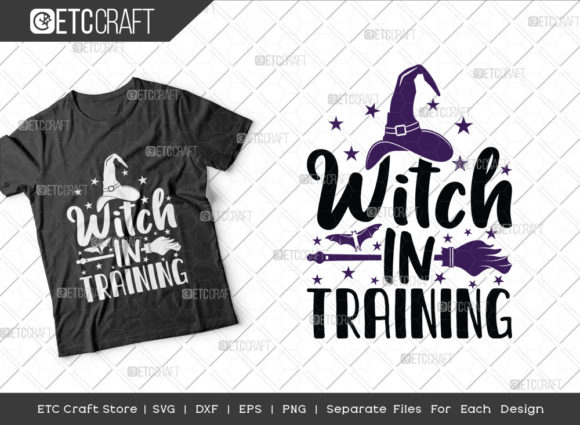
The first thing that strikes you about this design is its playful, whimsical mood. The phrase "Witch in Training" paired with baby-themed elements like bats creates an immediate emotional connection. It is not scary; it is adorable. For an embroidery project, this distinction is vital. The layout feels balanced, with enough negative space to allow the stitches to breathe. When I visualized this as a machine embroidery design, I looked for potential pitfalls in the tiny details. The bat shapes and lettering need to be robust enough to survive the stitching process without losing their charm.
The visual personality of this asset leans heavily into the humorous side of Halloween. It avoids the gothic tropes in favor of something soft and approachable. This makes it incredibly versatile for holiday embroidery that extends beyond October. Parents love items that grow with their children, and a cute witch theme can easily transition into general fantasy or storybook-themed nursery decor.
Real-World Application: The Custom Tote Test
To truly judge a design, you have to imagine it on a product. I pictured this design on a natural canvas tote bag design intended for a boutique small shop product. The contrast between the dark thread colors typically used for witches and the light canvas would make the design pop. However, because this is labeled for "Baby," I also considered a soft, organic cotton onesie.
For baby embroidery, comfort is king. If this design were to be stitched directly onto a garment, the stitch density would need careful monitoring. A dense fill stitch area on a baby’s chest could feel stiff and irritating. In my review, I noted that this design works best when scaled appropriately. On a larger item like a sweatshirt embroidery piece or a pillow cover, the details can shine without compromising comfort. On a tiny baby cap, the smaller elements might become too dense, requiring simplification or a switch to an applique design technique to reduce bulk.
Navigating Fabric and Hoop Constraints
One of the most critical aspects of using any embroidery file is understanding its limitations on different materials. This design includes elements that could be tricky on textured fabrics. If you are stitching on a terry cloth towel or a fuzzy fleece blanket, the fine lines of the bat wings might get lost. In such cases, using a running stitch outline or increasing the stroke width in your digitizing software before stitching is a smart move.
Hoop size is another factor. While the description mentions SVG, DXF, EPS, and PNG formats, it does not specify exact hoop dimensions for pre-digitized embroidery files. If you are converting this SVG into an embroidery format yourself, you must ensure the final size fits within your standard 4x4 or 5x7 hoop. For custom apparel like caps, the curved surface adds another layer of complexity. Small, detailed text can distort on curved seams. I recommend testing this design on a flat section of a cap or using it on a patch instead.
Speaking of patches, an embroidered patch is perhaps the safest and most professional application for this design. By stitching it onto twill or felt first, you control the stabilizer and tension perfectly. Then, you can iron or sew the patch onto a personalized gift like a denim jacket or a backpack. This method preserves the integrity of the finished product and allows for easier quality control.
Commercial Viability for Etsy Sellers
For Etsy sellers and creative entrepreneurs, the commercial potential of this design is high. Halloween is a massive sales period, but niche designs like "Witch in Training" stand out because they target a specific demographic: parents of young children. This specificity builds customer trust and brand consistency. When buyers see a cohesive collection of design assets that speak to their identity, they are more likely to engage.
However, professionalism is key. Before listing this as a handmade product, you must verify the licensing terms. The product description states "Design can be download," but it does not explicitly outline commercial rights for reselling digital files versus physical goods. Always clarify if you can sell the digital embroidery file itself or only the finished product. Misunderstanding license terms can lead to account suspensions on platforms like Etsy. Assuming personal or limited commercial use for physical items, this design adds significant value to a fall catalog.
Technical Notes for the Stitcher
Before running this design on your client’s expensive garment, follow these practical steps:
- Test on scrap fabric: Always stitch a sample on the same material type you plan to use for the final item. Check for puckering or thread breaks.
- Check thread color contrast: Use a printable mockup or digital preview to see how black, purple, or orange threads look against your fabric. High contrast ensures readability.
- Review stitch density: If converting from SVG, ensure the digitizing software does not create overly dense areas that could cause needle heat or fabric distortion.
- Use proper stabilizer: For stretchy fabrics like baby onesies, a cut-away stabilizer is often better than tear-away to prevent stretching out of shape after washing.
- Inspect small details: Zoom in on the bat wings and text. If lines are too thin, they may not stitch out cleanly. Consider merging small elements or using satin stitches for better coverage.
Final Verdict
The Witch in Training SVG Cut File Baby is a charming addition to any designer’s library. Its strength lies in its emotional appeal and versatility across various Crafts categories. While it requires careful handling regarding scale and fabric choice, particularly for baby clothes and textured materials, it offers excellent potential for commercial embroidery projects. By treating it with the technical respect it deserves—testing, stabilizing, and verifying licenses—you can create stunning, high-value items that resonate with buyers. It is a solid choice for anyone looking to add a touch of whimsical magic to their craft business this season.