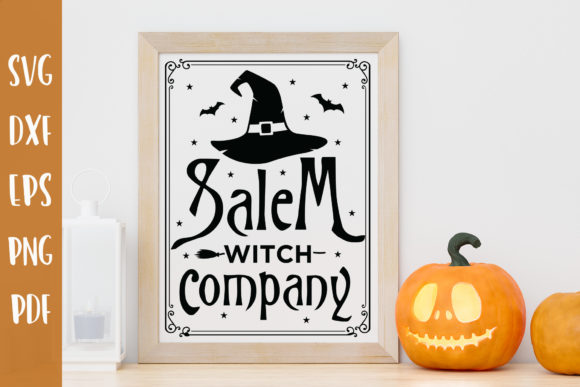
Salem Witch Company SVG: A Designer’s Review
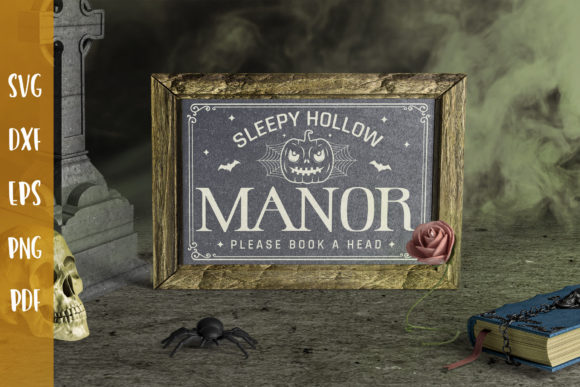
As a designer who has spent countless hours digitizing and stitching out thousands of designs, I approach every new machine embroidery design with a mix of curiosity and skepticism. We all know that what looks crisp on a screen does not always translate beautifully to fabric. When I first encountered the Salem Witch Company, Halloween Sign SVG, my initial reaction was driven by its thematic strength. It captures that specific, moody aesthetic that defines modern Halloween decor—less about jump scares and more about atmospheric charm.
This piece falls squarely into the Crafts category, but for those of us in the digital space, it is a versatile asset among Graphics. The description notes that this Halloween SVG with a beautiful quote creative theme can be used for various purposes, specially on signs and much more. You can also use this design with Cricut, Silhouette, Scrapbooking, and Vinyl decals. However, my focus here is strictly on how this design performs when translated into thread. Can a vector file meant for cutting machines hold up under the needle? Let’s dig into the practical realities.
First Impressions and Visual Mood
The layout of the Salem Witch Company, Halloween Sign SVG suggests a vintage apothecary or general store vibe. This is crucial because mood dictates marketability. For an Etsy seller or a small shop product creator, selling a feeling is just as important as selling a physical item. The typography likely plays a heavy role here, balancing readability with decorative flair. In embroidery, text is always the hardest element to get right. If the letters are too thin, they vanish into the fabric; if they are too dense, the garment puckers.
When evaluating this for an embroidery project, I look at the negative space. A good sign-style design needs breathing room. If you are planning to use this for a tote bag design or a heavy canvas apron, the boldness of the lines will work in your favor. However, if you intend to shrink this down for a baby embroidery project or a delicate onesie, you must proceed with caution. The intricate details that make the design charming in vector format may become lost or cause thread breaks if the stitch count is not optimized for small scales.
Real-World Application: The Custom Sweatshirt Test
To give you a concrete example, imagine a client requests a custom sweatshirt embroidery piece for a boutique Halloween collection. They want something subtle yet recognizable. Using the Salem Witch Company, Halloween Sign SVG as a base, I would likely convert this into an applique design rather than a full fill stitch. Why? Because applique reduces bulk and allows the fabric texture to show through, creating a higher-end look.
If you choose to stitch it directly, consider using a fill stitch for the larger background elements of the sign and a satin stitch for the borders and text. This combination adds dimension. On a dark heather grey sweatshirt, using cream or off-white thread colors would provide excellent contrast without being stark white, which can sometimes look cheap on darker fabrics. The result is a handmade product that feels intentional and professional, boosting customer trust and perceived value.
Navigating Fabric and Hoop Constraints
One of the most critical aspects of using any digital embroidery file is understanding its limitations regarding hoop size and fabric type. Since this design originates as an SVG for cutting machines, it may not have predefined stitch paths. If you are digitizing it yourself or using auto-digitizing software, you must manually adjust the stitch density.
For curved surfaces like caps or hats, this design might be too wide. A running stitch outline could help secure edges on stretchy materials, but you must use a high-quality stabilizer to prevent distortion. Textured fabrics, such as terry cloth towels or waffle-knit blankets, require denser stitching to ensure the design doesn't sink into the pile. Conversely, on thin, stretchy fabric like jersey knits, excessive density will cause tunneling. Always test the design on scrap fabric first. Check how the thread interacts with the fabric texture before committing to a final finished product.
Commercial Viability and Brand Consistency
For commercial embroidery professionals, consistency is key. If you are building a brand around spooky, whimsical decor, the Salem Witch Company, Halloween Sign SVG fits perfectly into a cohesive lineup. It works well for holiday embroidery collections that extend beyond just October, appealing to fans of gothic cottagecore year-round.
However, before listing this as a personalized gift or adding it to your design assets for sale, you must verify the licensing. The product description mentions usage for Cricut and Silhouette, but commercial rights for embroidered goods sold on platforms like Etsy or at craft fairs are a different legal matter. Ensure you have the right to use this graphic in physical goods. Assuming the license permits it, this design can elevate your craft business by offering unique, non-generic items that stand out in a saturated market.
Practical Designer Notes
Before you load this into your machine, keep these technical checkpoints in mind:
- Contrast Check: View the design in black and white. If the details disappear, the stitch path needs adjustment.
- Scale Testing: Print the design at 100% scale on paper and place it on your intended garment. Does it fit the aesthetic proportion?
- Stabilizer Selection: Use cut-away stabilizer for stretchy fabrics like sweatshirts and tear-away for stable woven cottons like tote bags.
- Thread Quality: High-sheen polyester threads work best for satin stitches, while matte cotton threads can enhance the vintage feel of the sign.
- License Verification: Confirm if the SVG license covers physical resale of embroidered items.
In conclusion, the Salem Witch Company, Halloween Sign SVG offers a strong visual foundation for creative entrepreneurs. Whether you are creating an embroidered patch, a kitchen towel, or a statement pillow cover, success lies in the translation from vector to stitch. By paying attention to density, fabric choice, and stabilization, you can turn this graphic into a high-quality custom apparel piece or home decor item that resonates with buyers. It is not just about the design; it is about the craftsmanship behind it.