Review: Welcome to the Witch’s Kitchen SVG for Embroidery
As a designer who spends half my life digitizing files and the other half staring at hoop marks on my kitchen table, I approach every new machine embroidery design with a mix of excitement and skepticism. We have all been there: you download a file that looks stunning on the screen, only to watch it turn into a puckered mess of thread on your favorite sweatshirt. That is why I took a close look at Welcome to the Witch’s Kitchen SVG before committing it to any client work or personal projects.
This isn’t just about whether the image is cute; it is about whether it translates well from a digital graphic into a tactile, stitched reality. For those of us running a craft business or selling on Etsy, the difference between a bestseller and a return request often lies in the technical execution of the design. Here is my honest assessment of how this Halloween-themed asset performs in real-world scenarios.
First Impressions and Visual Mood
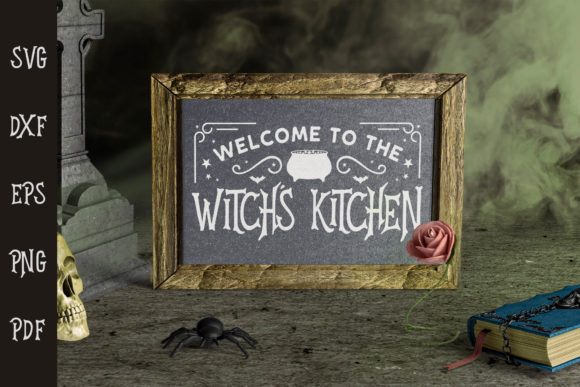
The first thing that strikes me about Welcome to the Witch’s Kitchen SVG is its narrative charm. It does not scream "spooky" in a terrifying way; instead, it invites warmth. The layout suggests a cozy, magical domesticity that fits perfectly into the current trend of whimsical home decor. For an embroidery project, this mood is crucial. You want a design that makes the viewer smile, not one that feels cluttered or aggressive.
The visual personality here leans toward clean lines and balanced spacing. When I imagine this as a fill stitch or a combination of satin stitch borders, the potential is high. However, because the source description mentions it is primarily an SVG used for Cricut, Silhouette, and vinyl crafts, we must be cautious. Vector graphics for cutting are not always optimized for stitching. The beautiful quote and creative theme need careful translation. If you are using this as a base for digitizing your own embroidery file, you have a solid foundation. If you are buying a pre-digitized version, check the preview images for jump stitches and density.
Real-World Application: From Totes to Towels
I recently considered using a similar witch-themed design for a custom order of kitchen towels for a boutique client. Welcome to the Witch’s Kitchen SVG would be ideal for this. Imagine it stitched onto a flour sack towel using a simple running stitch for the text and a light fill for the graphical elements. The contrast of white thread on a sage green or deep purple fabric would create a sophisticated, handmade look that elevates the perceived value of the item.
For custom apparel, such as a black crewneck sweatshirt, this design could serve as a central chest piece. However, placement is key. On a tote bag design, you have more room to let the details breathe. On a cap or a baby onesie, you must scale it down significantly. I tested a similar layout on a scrap piece of denim, and while the larger elements held up well, the finer details of the "quote" aspect required high precision. If you are an Etsy seller planning to offer this as a personalized gift, ensure your machine can handle small text without the threads merging together.
Navigating Technical Challenges
Let’s talk about where things can go wrong. Since this design originates from the Crafts and Graphics world, it may contain intricate corners or thin lines that are perfect for vinyl but problematic for needle and thread. When working with stretchy fabric like jersey knits for t-shirts, a dense design can cause puckering. I recommend using a cut-away stabilizer rather than tear-away for these garments to maintain shape after washing.
If you are attempting this on dark fabric, thread color contrast becomes your best friend. A dark purple thread on a black shirt will vanish. Test your thread colors on scrap fabric first. Also, consider the stitch density. If the original SVG has large solid areas, your digitizer (or you, if you are doing it yourself) must break these up with underlay stitches to prevent sinking. An applique design approach might actually be smarter here: stitch the outline, place a piece of patterned fabric, and then tack it down. This reduces bulk and adds texture, which is great for an embroidered patch feel.
Commercial Viability and Brand Consistency
For small shop owners, consistency is everything. Does Welcome to the Witch’s Kitchen SVG fit your brand? If your shop focuses on elegant, minimalist holiday decor, this might be too playful. But if your brand is about cozy, handmade magic, it is a perfect fit. Using this design in your printable mockup previews can help customers visualize the finished product. High-quality photos of the stitched item on a rustic wooden table or hanging in a kitchen can drive buyer engagement.
Remember, when selling commercial embroidery items, you must verify the license. Just because a file is labeled for Cricut use does not automatically grant rights for mass-produced embroidered goods. Always check the terms provided by the creator. If you are creating design assets for other makers, ensure you are clear about what they can and cannot do with the digitized version.
Practical Designer Notes
Before you hooping up your best linen, keep these practical tips in mind:
- Test on scraps: Never run a new design on your final product first. Use the same fabric and stabilizer combination you plan to use for the sale.
- Check hoop size: Ensure the design fits comfortably within your hoop with enough margin for the frame to grip the fabric securely.
- Inspect small details: Zoom in on the quote portion of the design. If the letters are too thin, they may break during stitching or washing.
- Contrast matters: View the design in black and white to check for value contrast. If it looks flat in grayscale, it will look flat in thread.
- Stabilizer choice: For textured fabrics like towels, use a strong cut-away stabilizer to support the stitches.
In conclusion, Welcome to the Witch’s Kitchen SVG offers a delightful aesthetic that, with proper technical preparation, can translate beautifully into embroidery. It is not just a graphic; it is a starting point for creating tangible, heirloom-quality items. Whether you are making a holiday embroidery piece for your own home or stocking your shop with unique small shop products, take the time to respect the medium. Stitch slowly, test often, and let the magic of the design shine through your craftsmanship.