My First Boo SVG: A Designer’s Review
As an embroidery designer who has spent countless hours digitizing and testing files for real-world application, I approach every new Graphics asset with a critical eye. It is not enough for a design to look cute on a screen; it must translate seamlessly into thread, withstand the tension of the hoop, and hold up under the scrutiny of a paying customer. Recently, I evaluated My First Boo SVG Cut File First to determine its viability for upcoming holiday projects. This review breaks down how this specific Halloween Svg performs when moved from digital concept to stitched reality.
First Impressions and Visual Personality
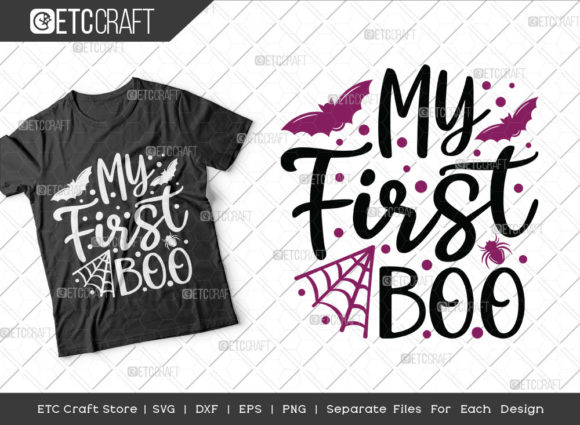
The initial appeal of My First Boo SVG Cut File First lies in its playful simplicity. The phrase "My First Boo" carries a dual meaning that resonates deeply with the baby and toddler market, making it a strong contender for baby embroidery projects. Visually, the layout balances whimsical typography with iconic Halloween imagery. For a designer, the clean lines suggest that this file will convert well into a machine embroidery design without excessive complexity.
The mood is lighthearted rather than spooky, which is crucial for infant and children’s apparel. When reviewing the shape and detail level, I noticed that the elements are distinct enough to remain legible even at smaller scales. This is vital because many personalized gift items, such as onesies or small bibs, have limited surface area. The visual personality feels approachable, ensuring that the finished product appeals to parents looking for festive yet gentle holiday decor.
Real-World Application: The Tote Bag Test
To truly understand the utility of this asset, I simulated a common scenario for Etsy sellers and craft business owners: creating a custom embroidered tote bag for a fall festival. I imagined placing the design on a natural canvas tote, a popular item in the Crafts category. The bold nature of the text in My First Boo SVG Cut File First suggests it would stand out beautifully against textured fabric.
In this context, the design serves as more than just decoration; it becomes a statement piece. Customers often seek unique holiday embroidery that differentiates their items from mass-produced goods. By using this digital embroidery file, a maker can create a high-value handmade product that feels exclusive. The clarity of the shapes ensures that even from a distance, the message is readable, enhancing the professional presentation of the item at craft fairs or in online listings.
Performance on Different Fabrics
One of the most critical aspects of any embroidery file is how it interacts with various materials. For sweatshirt embroidery, the design’s solid areas would benefit from a dense fill stitch to prevent the fabric from showing through. However, on thinner materials like cotton tees or muslin, careful attention to stitch density is required to avoid puckering.
I also considered its use on stretchy fabric, such as jersey knits used for baby clothes. In these cases, the stability of the design depends heavily on the proper use of stabilizer. Without adequate backing, the weight of the thread could distort the garment. For caps or curved surfaces, the compact nature of the logo-style layout works in its favor, allowing it to sit neatly on the front panel without wrapping awkwardly around the curve.
Technical Considerations for Stitching
While the provided description lists SVG, DXF, EPS, and PNG formats, it is important to note that these are primarily cut files for vinyl or paper crafts. For machine embroidery, one must ensure the design is properly digitized. If you are converting this SVG Cut File into an embroidery format, pay close attention to the conversion settings. Tiny details may need to be simplified to prevent thread breaks.
When working with dark fabric, contrast becomes a key factor. I recommend testing the design with bright thread colors like orange, white, or neon green to ensure the "Boo" element pops. Conversely, on light fabrics, darker threads can provide a sharp, modern look. Always inspect small details and corners after digitizing. Sharp points in the vector file can become bulky knots in embroidery if not handled with a proper running stitch or tapered satin stitch.
Where to Use Caution
Not every project is suitable for this design. Avoid using it on very small hoop sizes if the text becomes illegible. Additionally, be cautious with highly textured fabrics like terry cloth or heavy wool, where fine details might get lost. For products that require frequent washing, such as tote bag design items or daily-wear apparel, ensure the stitch count is sufficient to anchor the design securely. Dense stitch areas should be balanced with lighter sections to maintain fabric drape and comfort, especially for custom apparel intended for sensitive skin.
Enhancing Brand Value and Customer Trust
For small shop product creators, consistency is key. Using a cohesive set of design assets helps build brand recognition. My First Boo SVG Cut File First fits well within a broader Halloween collection, allowing sellers to offer matching sets of embroidered patch items, aprons, and pillow covers. This versatility increases the perceived value of the shop.
Furthermore, the professionalism of the final stitch-out directly impacts buyer engagement. A clean, well-executed design fosters trust. When customers see a crisp, durable holiday gift item, they are more likely to leave positive reviews and return for future purchases. This design, when executed with care, supports that goal by offering a clear, attractive motif that is easy to appreciate.
Practical Designer Notes
Before committing to a full production run, always test the design on scrap fabric. This allows you to check thread tension and color compatibility without risking expensive materials. Create printable mockup previews to visualize how the design looks on different backgrounds. Compare light and dark fabric simulations to decide on the best thread palette.
Finally, always verify licensing terms. While the file is available for download, confirm whether it permits commercial use for selling finished items. Many digital product sellers and creative entrepreneurs rely on clear licensing to avoid legal issues. If the license allows, this design can be a profitable addition to your commercial embroidery portfolio. If not, restrict its use to personal projects or wedding gifts for friends and family.
In conclusion, My First Boo SVG Cut File First offers a charming, versatile option for autumn crafting. With careful attention to digitization and material selection, it can elevate simple Crafts into standout Graphics-inspired textile art. Whether for a babys first Halloween or a boutique’s seasonal lineup, this design holds promise for those willing to put in the technical prep work.