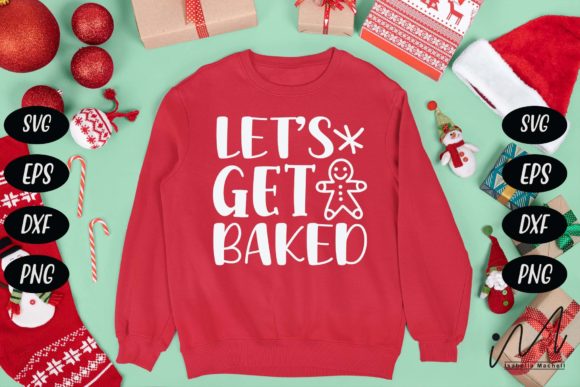
Let’s Get Baked Svg: A Designer’s Honest Review
As a designer who has spent countless hours digitizing and testing embroidery files, I have learned that not every graphic translates well to thread. When I first encountered the Let’s Get Baked Svg, my initial reaction was one of cautious curiosity. The phrase itself carries a playful, double-edged humor that appeals to a specific demographic—foodies, bakers, and those with a cheeky sense of humor. But as an experienced reviewer, I look past the novelty of the quote to evaluate the structural integrity of the design assets provided. This is not just about a funny slogan; it is about whether this digital embroidery file can withstand the mechanical realities of stitching on various fabrics.
First Impressions and Visual Personality
The mood created by this design is lighthearted and inviting. It does not take itself too seriously, which makes it an excellent candidate for casual wear and home goods. Visually, the layout appears balanced, with a clear hierarchy between the text and any accompanying graphical elements. For embroidery designers, the clarity of the lines in the SVG, DXF, and EPS formats is crucial. These vector-based files allow us to manipulate the size and color before converting them into a machine embroidery design. The ability to change colors with appropriate software means we can adapt the aesthetic to match seasonal trends or specific brand palettes without losing resolution.
In terms of detail level, the design strikes a reasonable balance. It is not overly intricate, which reduces the risk of thread breaks or bird nests during high-speed stitching. However, the visual personality relies heavily on legibility. If the lettering is too thin or the spacing too tight, the final product may look muddy. My assessment suggests that this design works best when given enough room to breathe, allowing each stitch to define the shape clearly.
Real-World Application: The Tote Bag Test
To truly understand the value of this asset, I imagined a real-life scenario: preparing a custom embroidered tote bag for a local bakery’s holiday merchandise line. The client wanted something fun that would encourage social media sharing. I selected the Let’s Get Baked Svg for this project. On a canvas tote, the design needs to be bold enough to be read from a distance but refined enough to look professional.
Using a satin stitch for the lettering could provide a sleek, modern look, while a fill stitch might add texture and durability if the bag is intended for heavy use. In this context, the design performs well because the shapes are relatively open. There are no tiny, isolated islands of stitching that would require excessive underlay or cause puckering. The result is a handmade product that feels intentional and high-quality, rather than a rushed afterthought. Customers reacting to such a piece are likely to appreciate the humor combined with the tactile quality of embroidery, increasing the perceived value of the item.
Navigating Fabric and Hoop Constraints
While the design is versatile, there are specific situations where caution is required. Embroidery on stretchy fabric, such as a sweatshirt or a cap, demands careful attention to stabilizer choice. Without proper support, the tension from the stitch density can distort the fabric, causing the text to warp. For curved surfaces like caps, the design must be scaled appropriately to fit within the hoop size without hitting the seams.
Additionally, when working with dark fabric, thread color contrast becomes critical. A light-colored thread on a black hoodie will pop, but if the design includes fine details, they may get lost if the stitch density is too low. Conversely, on thin fabric like a kitchen towel or baby clothes, a dense fill stitch might feel stiff or uncomfortable against the skin. In these cases, I recommend using a running stitch for outlines or reducing the density to maintain softness. Always test the design on scrap fabric first to gauge how the thread interacts with the material texture.
Commercial Viability for Etsy Sellers and Crafters
For small business owners and Etsy sellers, the commercial potential of this graphics asset is significant. It fits neatly into categories like personalized gifts, boutique branding, and craft fair products. The humor inherent in the phrase "Let's get baked" taps into a popular niche, making it highly shareable on social media. This can drive buyer engagement and increase visibility for your shop.
However, professionalism is key. To maintain brand consistency, ensure that the embroidery project aligns with your overall aesthetic. If your shop specializes in delicate, vintage-style baby embroidery, this bold, humorous design might feel out of place. But for a shop focused on modern home decor or casual apparel, it is a strong addition. Use printable mockups to visualize how the design looks on different products before committing to production. This helps in creating compelling digital product previews that attract customers.
Practical Designer Notes
- Check Licensing: Before selling finished items or digital products, confirm the license terms associated with the SVG, DXF, and EPS files. Ensure you have the right to use them for commercial embroidery projects.
- Test Stitch Density: Review the stitch count and density in your embroidery software. Adjust if necessary to prevent fabric puckering or thread breaks.
- Contrast Matters: Test the design in black and white mockups to ensure legibility regardless of thread color choices.
- Stabilizer Selection: Use the appropriate stabilizer for your fabric type. Cut-away stabilizers are often better for stretchy garments, while tear-away works well for stable woven fabrics.
- Hoop Size Verification: Confirm that the design fits within your machine’s hoop size, especially if scaling up for larger items like pillow covers or blankets.
In conclusion, the Let’s Get Baked Svg is a viable option for designers looking to add a touch of humor to their Crafts and Graphics portfolio. It offers flexibility in formatting and a clear visual appeal that translates well to various embroidered items. By paying attention to technical details like stitch density, fabric compatibility, and licensing, you can transform this digital asset into a successful finished product. Whether you are creating a custom apparel line or a unique holiday gift, this design holds promise for those who approach it with a designer’s eye for detail and practicality.