Reviewing the Trick or Treat Spider Web SVG for Embroidery
As a designer who spends half my life digitizing files and the other half stitching them out, I have learned to look past the glossy preview images. When I first pulled up the Trick or Treat SVG Cut File Spider Web, my immediate reaction was not just about the aesthetic, but about its structural integrity on fabric. Halloween designs are notorious for being overly busy or relying on fine details that vanish under thread. This particular asset, categorized under Crafts and Graphics, presents a unique challenge and opportunity for those of us turning digital files into tangible handmade products.
First Impressions and Visual Mood
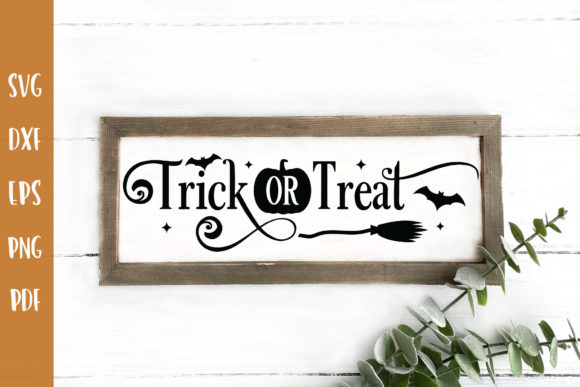
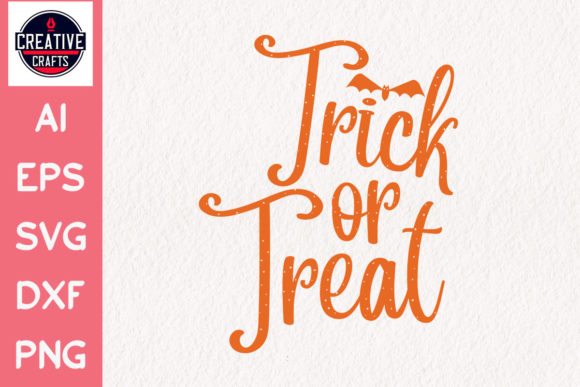
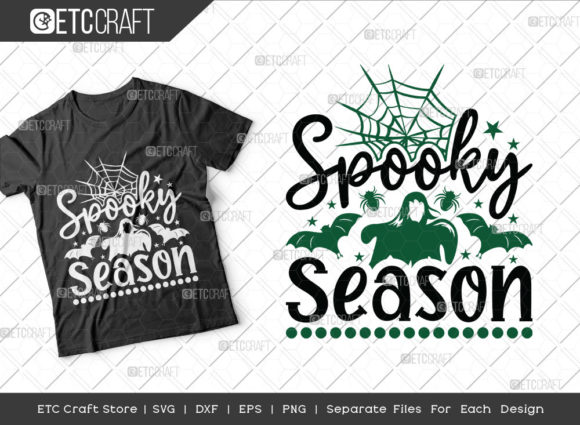
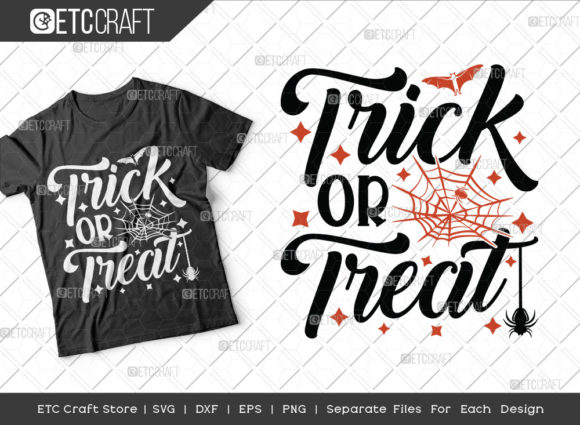
The design combines a classic spooky motif with playful typography. The spider web provides a geometric anchor, while the "Trick or Treat" text adds a narrative element. For an embroidery project, this balance is crucial. A standalone web can look like a mistake or a hole in the fabric if not executed with precision. Adding the text gives it purpose. The mood is lighthearted rather than terrifying, which immediately broadens its commercial appeal. It fits perfectly into the niche of family-friendly holiday decor and children’s apparel.
When evaluating this as a machine embroidery design source, I look at the lines. Are they smooth? Do they have unnecessary nodes that might cause machine hesitation? While this is primarily sold as an SVG for cutting, converting it for embroidery requires careful attention to these paths. The clean lines suggest that with proper digitizing, it will translate well into satin stitches and fill stitches without excessive jump stitches.
Real-World Application: The Custom Tote Bag Test
To truly understand the value of this file, I imagined a specific client request: a set of custom tote bags for a local preschool’s Halloween party. The client wanted something durable, washable, and visually striking. Using the Trick or Treat SVG Cut File Spider Web as the basis for an applique design or a direct stitch-out would be my go-to strategy here.
For a tote bag, typically made of canvas or heavy cotton, the texture is rougher than standard quilting cotton. This affects how the thread colors pop. A black spider web on a natural beige canvas creates high contrast, ensuring the design is readable from a distance. If I were using this for a sweatshirt embroidery project, I would need to consider the pile of the fleece. Fine details in the web might get lost, so I would likely simplify the inner strands of the web during the digitizing phase to maintain clarity.
Navigating Fabric and Hoop Constraints
One of the most critical aspects of using any digital embroidery file is understanding where it fails. This design features thin lines in the web structure. On stretchy fabrics like jersey knits used for baby embroidery items, these thin lines can pucker the fabric if the stabilizer is not robust enough. I always recommend a cut-away stabilizer for garments that will be washed frequently, especially for holiday embroidery items that might be passed down or reused.
Hoop size is another constraint. If you are working with a 4x4 inch hoop, you must ensure the text and the web fit comfortably within the safe zone. Crowding the edges can lead to distortion. For larger items like pillow covers or aprons, you have more freedom, but you must maintain proportion. A massive web on a small baby onesie looks overwhelming, while a tiny web on a large blanket gets lost. Scaling this embroidery file requires checking the stitch density after resizing. If you scale it down significantly, the satin stitches covering the text may become too narrow to hold, leading to fraying.
Commercial Viability for Etsy Sellers
For Etsy sellers and small shop owners, this design offers versatility. It is not just for October 31st. The spider web motif can be adapted for gothic-themed weddings or spooky birthday parties. However, before listing finished items, you must verify the licensing terms. The product description mentions formats like SVG, DXF, EPS, and PNG, which are standard for cutting machines and print-on-demand, but it does not explicitly state the license for commercial embroidery use. Always confirm whether the creator allows you to sell physical goods made with their design assets.
From a branding perspective, consistency is key. If your craft business focuses on high-end boutique items, ensure the digitized version of this file matches your quality standards. Cheap digitizing can leave gaps in the web or messy backsides. A professional embroidered patch or a high-quality custom apparel piece reflects on your brand. Customers trust clean finishes. If the back of the embroidery is a mess of loose threads, they are less likely to return for future personalized gifts.
Technical Notes for the Designer
Before running this design on your main machine, follow these practical steps:
- Test on Scrap Fabric: Always stitch out a test sample on the same type of fabric you intend to use for the final product. This reveals issues with tension and registration.
- Check Thread Contrast: Use high-contrast thread colors for the initial test. Black on white or white on black makes it easy to see if any parts of the web are missing or distorted.
- Inspect Small Details: Zoom in on the digitized file. Are the corners of the letters sharp? Is the web symmetrical? Imperfections in the digital file will be magnified in the stitched output.
- Verify File Formats: The product includes SVG, DXF, EPS, and PNG. Note that these are not native embroidery formats like PES or DST. You will need embroidery software to convert these vector graphics into stitch files. Ensure your software can handle the conversion without losing detail.
- Consider Washability: For items like kitchen towels or caps that undergo frequent washing, use polyester thread for its colorfastness and durability. Cotton thread may fade or break down faster in high-heat drying cycles.
Final Verdict on Design Utility
The Trick or Treat SVG Cut File Spider Web is a solid foundation for seasonal projects. Its strength lies in its recognizable theme and balanced composition. However, its success as an embroidery project depends entirely on the skill of the digitizer and the preparatory work of the embroiderer. It is not a plug-and-play solution for every fabric type. It demands respect for material constraints and machine capabilities.
For those creating small shop products, this design can drive engagement during the fall season. It appeals to the desire for festive, yet tasteful, decor. Whether you are making a tote bag design for trick-or-treating or a decorative tea towel for a hostess gift, this graphic holds potential. Just remember that the difference between a amateur-looking item and a professional finished product often comes down to the unseen details: the stabilizer choice, the thread tension, and the careful testing of the design before it hits the final garment. Treat this file as a raw material, not a final answer, and you will unlock its full creative potential.