Reviewing the One Spooky Dad SVG for Embroidery
As a designer who spends more time staring at stitch simulations than actual fabric, I have learned that not every cute graphic translates well to thread. When I first pulled up One Spooky Dad SVG Cut File Halloween, my initial reaction was one of cautious optimism. The theme is undeniably popular; "spooky dad" humor has carved out a solid niche in the holiday market, sitting comfortably between traditional scary motifs and family-friendly whimsy. But does this specific design hold up when you move from a flat digital screen to the textured reality of a stitched product?
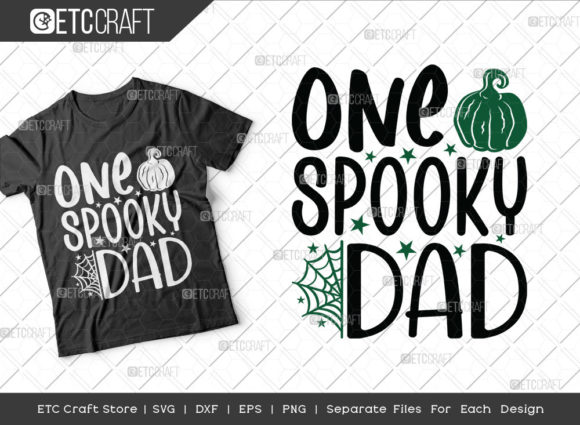
The visual personality of this file is bold and straightforward. It relies on strong silhouettes and clear typography, which are generally good signs for embroidery. However, the devil is always in the details—or rather, the lack of them. In this case, the simplicity is a strength. The layout avoids overly intricate shading or micro-details that often turn into a tangled mess of thread breaks and bird nests under the needle. For an embroidery project, clarity is king, and this design delivers a clean visual punch.
Real-World Application: The Custom Sweatshirt Test
To truly evaluate One Spooky Dad SVG Cut File Halloween, I imagined a real-life scenario: a rush order for a local boutique client wanting matching family Halloween outfits. The request was for adult sweatshirts and toddler hoodies. This is where the rubber meets the road. A design that looks great on a white background in your software might look completely different on heather grey fleece or dark navy cotton.
For the adult sweatshirt, the design’s scale works well on the chest or left breast area. The bold lines of the pumpkin and the accompanying text maintain their integrity even when scaled down slightly. However, for the toddler hoodie, I had to pause. Small children move a lot, and their garments undergo frequent washing. If the stitch density is too high in the solid areas of the pumpkin, the fabric could pucker or become stiff. This is a critical consideration for any handmade product aimed at kids. The design’s open spaces help mitigate this, but it requires careful digitizing if you are converting the SVG yourself, or a keen eye if you are using a pre-digitized version.
Material Matters: Fabric and Thread Choices
The performance of any machine embroidery design is heavily dependent on the substrate. With One Spooky Dad SVG Cut File Halloween, I found that fabric texture plays a huge role. On smooth quilting cotton, such as for a tote bag design or a kitchen towel, the stitches lay flat and crisp. The contrast between the thread colors and the fabric is sharp, making the funny quote easily readable from a distance.
However, when I considered using this on textured fabrics like terry cloth towels or fuzzy fleece, the outcome changed. Textured surfaces can swallow finer details. Since this design leans towards bold shapes, it actually performs better on these difficult fabrics than a highly detailed illustration would. The satin stitch elements, if present in the digitized version, need to be wide enough to cover the fabric pile without looking sparse. For dark fabrics, I recommend using a bright orange or gold thread for the pumpkin elements to ensure the design pops. A muted tone might get lost, reducing the visual appeal and customer trust in the finished product’s quality.
Navigating Technical Constraints
One of the most important aspects of reviewing a graphics file for embroidery is understanding its limitations. The product description notes that you will receive SVG, DXF, EPS, and PNG formats. It is crucial to understand that these are primarily cut files for machines like Cricut or Silhouette, or vector graphics for print. They are not native embroidery files like PES or DST. This means you, the designer, are responsible for the digitization process unless you are using software that auto-converts these vectors into stitch data.
If you are converting this SVG yourself, pay close attention to stitch density. Auto-digitizing tools often create excessive running stitch paths or overly dense fill stitches. For a commercial embroidery project, this can lead to high thread consumption and longer run times, eating into your profit margin. I advise testing the design on scrap fabric first. Check how the corners of the letters behave. Sharp corners in vector graphics can become blunt or messy in embroidery if the underlay stitching is not properly configured. Also, inspect small details. If the pumpkin stem or any facial features are too thin, they may not stitch out cleanly on standard home machines.
Commercial Viability and Brand Consistency
For Etsy sellers and small shop owners, the marketability of a design is just as important as its technical execution. One Spooky Dad SVG Cut File Halloween fits squarely into the "funny holiday" category, which has high search volume but also high competition. To stand out, your presentation matters. Use printable mockups to show how the design looks on various items like caps, aprons, or pillow covers. Show it on both light and dark backgrounds to help buyers visualize the final product.
Brand consistency is key. If your shop specializes in delicate, vintage-style baby embroidery, this bold, humorous design might clash with your existing aesthetic. However, if you offer personalized gifts and custom apparel with a modern, playful vibe, this asset is a strong addition. It appeals to a specific demographic—dads who enjoy humor and families who want coordinated, non-scary Halloween gear. This targeted appeal can drive buyer engagement and increase the perceived value of your handmade products.
Final Designer Notes
Before you list this as a new item in your craft business, consider these practical steps:
- Verify Licensing: Ensure the license allows for commercial use of finished physical items. Most SVG licenses do, but always double-check before selling embroidered patches or apparel.
- Test Stitch Density: If digitizing, keep the density moderate to prevent fabric distortion, especially on stretchy materials like t-shirts.
- Check Hoop Size: Confirm the design fits within your standard hoop sizes. A design that requires re-hooping increases production time and risk of misalignment.
- Color Contrast: Choose thread colors that offer high contrast against your base fabric. Test black and white mockups to ensure the shape is recognizable even without color.
- Stabilizer Selection: Use a cut-away stabilizer for garments that will be washed frequently, such as sweatshirts and baby clothes, to maintain the design’s shape over time.
In conclusion, One Spooky Dad SVG Cut File Halloween is a versatile graphic asset that, with proper digitization and material selection, can result in high-quality embroidery projects. It is not a plug-and-play embroidery file, but rather a robust starting point for designers who understand the nuances of thread and fabric. By respecting the technical constraints and leveraging its bold visual style, you can create standout holiday items that resonate with customers and reflect professionalism in every stitch.