Review: Home Sweet Haunted House Halloween SVG for Stitchers
As a designer who spends half my life digitizing and the other half stitching, I have learned that not every graphic translates well to thread. When I first pulled up the Home Sweet Haunted House Halloween SVG, my initial reaction was cautious optimism. The theme is undeniably charming, blending that cozy "home sweet home" sentiment with a playful, spooky twist. But charm does not always equal stitchability. I needed to know if this design would hold up under the needle or if it was merely a pretty picture meant for vinyl cutters.
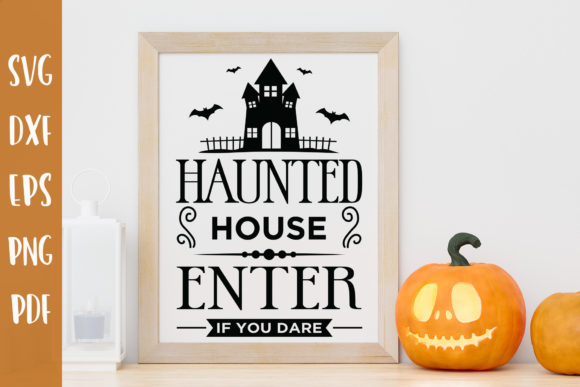
The visual personality of this piece is distinct. It relies on bold shapes and clear typography, which is generally a good sign for embroidery. However, because the product description highlights its use for Cricut, Silhouette, and vinyl decals, we have to approach it with a critical eye. Vinyl cuts cleanly; thread builds up. My goal was to determine if this Graphics asset could transition smoothly into a high-quality machine embroidery design for real-world Crafts projects.
First Impressions and Mood Analysis
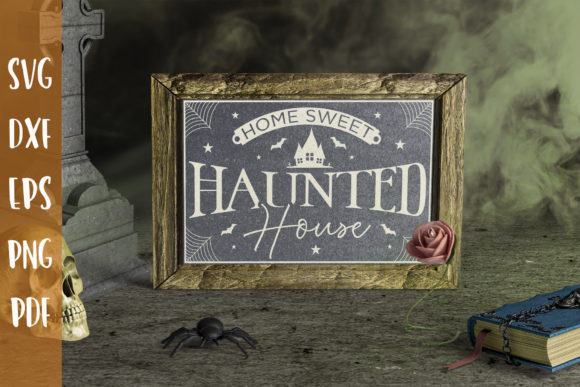
The layout creates an immediate sense of whimsical nostalgia. It is not terrifying; it is inviting. This makes it perfect for a specific niche of holiday decor that appeals to families and those who prefer cute over creepy. For an embroidery project, this mood dictates the fabric choice. You would not stitch this on sleek, modern satin. It demands texture. I imagined it immediately on a slubbed linen tote bag design or a soft, heathered grey sweatshirt. The contrast between the rustic, haunted aesthetic and the tactile warmth of embroidered thread is where the true value lies.
When evaluating the detail level, I looked for potential pitfalls. Small, intricate corners in house illustrations can become dense clusters of thread if not managed correctly. In a vector file intended for cutting machines, sharp angles are fine. In embroidery, sharp angles require careful underlay and stitch direction changes to prevent puckering. If you are planning to use this as a base for digitizing, pay close attention to the rooflines and window frames. These areas will need simplified satin stitch borders or converted to running stitch outlines to maintain clarity without excessive bulk.
Real-World Application: The Tote Bag Test
To test the viability of this design, I simulated a common small shop product: a custom Halloween tote bag. This is a staple for Etsy sellers and boutique owners during the autumn season. The challenge here is fabric stability. Canvas totes are sturdy, but they can shift if the stitch density is too high.
If you are using this SVG as a reference for creating an embroidery file, you must consider the scale. A large haunted house might look impressive on a wall hanging, but on a tote, it needs to be balanced. I recommend testing the design on scrap fabric first. Check how the text interacts with the house graphic. If the lettering is too small, it may merge into a blob of thread after washing. For a personalized gift or a handmade product intended for sale, clarity is non-negotiable. Customers need to read the quote from a few feet away.
For sweatshirt embroidery, the considerations change. Knit fabrics stretch. If you place a dense, rigid design on a stretchy fleece without proper stabilization, the fabric will pucker around the stitches. Using a cut-away stabilizer is essential here. The Home Sweet Haunted House Halloween SVG works best on sweatshirts if you limit the fill areas. Consider using an applique design technique where the house shape is cut from felt or flannel and then stitched down. This reduces thread count, saves time, and adds a lovely textured dimension that fits the rustic theme perfectly.
Navigating Technical Constraints
While the design is versatile, there are scenarios where you should proceed with caution. Do not attempt to stitch this on thin, delicate fabrics like silk or lightweight rayon without extensive testing. The weight of the thread will distort the material. Similarly, be wary of using this on curved surfaces like caps unless you significantly simplify the design. The structural integrity of a cap front panel is limited, and complex details can cause registration issues.
Another critical factor is color contrast. The original SVG likely uses black or dark orange. In embroidery, your thread colors must pop against the fabric texture. If you are stitching on a dark navy hoodie, black thread will vanish. You might need to adjust the design to use a lighter grey or even a metallic gold thread for the outline to ensure visibility. Always test your design in black and white mockups to check for value contrast before committing to expensive threads.
For baby embroidery or items that require frequent washing, durability is key. Ensure that any tiny decorative elements are secured with tack-down stitches. Loose ends or poorly anchored details will unravel after the first wash cycle, leading to unhappy customers and damaged brand reputation. For commercial embroidery runs, consistency is vital. If you are producing fifty units, your digitizing must be flawless to ensure every item looks identical.
Enhancing Product Value and Brand Trust
Using a well-executed version of this design can significantly boost the perceived value of your finished product. Handmade buyers are looking for uniqueness. A generic printed shirt is easily forgotten, but an intricately stitched haunted house tells a story of craftsmanship. It signals quality and effort. For creative entrepreneurs, this translates to higher price points and better customer retention.
However, professionalism is paramount. Before listing this as a digital embroidery file or selling physical items, verify the licensing terms. The product description mentions use for signs and vinyl, but commercial rights for embroidered goods can vary. Always confirm whether you can sell the design assets themselves or only the physical items created from them. Transparency with your customers about the handmade nature of the product builds trust. Include care instructions with your holiday embroidery pieces to help them last longer.
Practical Designer Notes
Before you load this into your machine, take these practical steps:
- Check Hoop Size: Ensure the design fits comfortably within your hoop with adequate margin for stabilization.
- Test Stitch Density: Run a test stitch-out on similar fabric to check for puckering or thread breaks.
- Verify Details: Zoom in on the digital file. Are there overlapping paths or tiny nodes that might cause machine errors?
- Contrast Check: View the design on both light and dark backgrounds to ensure legibility.
- Licensing Confirmation: Double-check the license for commercial use rights specific to embroidery and physical sales.
In conclusion, the Home Sweet Haunted House Halloween SVG has strong potential for embroidery if approached with technical diligence. It is not just a graphic; it is a foundation for a tactile, engaging product. By respecting the limitations of thread and fabric, you can transform this digital asset into a standout custom apparel piece or a cherished embroidered patch. Whether you are an experienced craft business owner or a hobbyist looking to elevate your skills, this design offers a delightful canvas for creativity, provided you prioritize stitch quality over mere replication.