American Cutie: A Designer’s Review for Holiday Embroidery
As an embroidery designer who has spent countless hours digitizing and stitching out files for clients, I approach every new machine embroidery design with a mix of curiosity and caution. We have all seen designs that look vibrant on a screen but turn into a tangled mess of thread breaks and puckering on fabric. When I first loaded the American Cutie file into my software, I was looking for more than just patriotic flair; I was evaluating its structural integrity for real-world application.
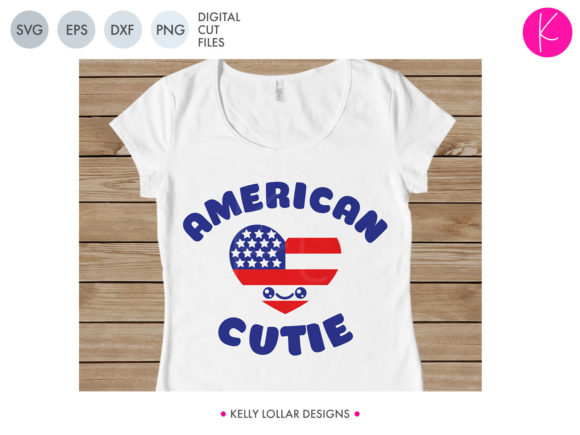
This piece falls squarely into the Crafts category, specifically under Graphics, but its utility extends far beyond a simple digital asset. It features a retro quote paired with a smiling American flag heart character, targeting baby and toddler apparel for the 4th of July and Memorial Day. But does it hold up under the needle? Here is my practical assessment of how this design performs in a professional setting.
First Impressions and Visual Personality
The immediate mood of American Cutie is nostalgic and warm. The retro typography suggests a vintage aesthetic that is currently trending in boutique markets, while the smiling heart adds a layer of approachable charm. For a designer, the layout is crucial. The balance between the text and the graphic element determines how well the design reads from a distance. In this case, the composition feels intentional, avoiding the cluttered look that often plagues holiday-themed files.
The visual personality is playful yet clean. This is essential because embroidery adds texture and dimension that flat graphics do not have. A design that is too busy can become illegible once stitched. American Cutie appears to maintain clarity, which is a strong indicator that it will translate well to physical products. The smiling flag heart serves as a focal point, drawing the eye before the viewer reads the accompanying quote.
Real-World Application: The Custom Tote Bag Test
To truly evaluate a design, you must imagine it on a specific product. I recently considered using American Cutie for a line of custom canvas tote bags for a local craft fair. Canvas is a sturdy fabric, but it has a distinct weave that can interfere with small details. I envisioned the design centered on the front panel, stitched in high-contrast thread colors to pop against the natural beige background.
In this scenario, the design’s suitability for a tote bag design became clear. The bold lines of the heart and the substantial weight of the retro lettering would withstand the rougher texture of canvas better than a delicate, script-heavy design. For an Etsy seller or small shop owner, this versatility is key. A design that works on canvas can often transition to denim jackets or heavy cotton aprons, maximizing the return on investment for a single digital embroidery file.
Performance on Baby Apparel and Delicate Fabrics
The product description highlights baby and toddler shirts, which presents a different set of challenges. Baby embroidery requires careful attention to stitch density and backing. Infants have sensitive skin, so the back of the stitching must be smooth, and the front must not be overly stiff. If American Cutie utilizes dense fill stitch areas in the heart, it could create a rigid patch on a soft onesie.
I recommend testing this design on scrap fabric similar to your final product. If you are stitching on thin jersey or interlock knits, a cut-away stabilizer is non-negotiable to prevent distortion. The smiling heart character likely uses a combination of satin stitch for outlines and fill for the interior. Ensure that the satin columns are not too wide, as they can snag easily on active toddlers. For a personalized gift, the durability of the stitch-out is just as important as the initial visual appeal.
Navigating Technical Constraints
Every designer knows that hoop size limits creativity. Before purchasing or downloading any embroidery file, confirm the available sizes. American Cutie needs enough space to breathe. If you attempt to shrink it too much for a small cap or a tiny pocket, the text may become illegible, and the fine details of the flag pattern within the heart might merge into a solid blob of color.
Additionally, consider the fabric texture. On textured fabrics like terry cloth towels or fleece blankets, small details get lost. This design seems robust enough for holiday embroidery on such items, provided you use a topping stabilizer to keep the stitches from sinking into the pile. For curved surfaces like caps, the placement is critical. The heart shape should sit comfortably without distorting over the seam.
Commercial Viability and Brand Consistency
For those running a craft business, consistency is brand currency. American Cutie offers a cohesive look that can anchor a seasonal collection. Whether you are creating custom apparel for a family reunion or embroidered patch merchandise for a boutique, the retro vibe aligns well with current consumer trends. It feels handmade and thoughtful, which increases perceived value.
When creating printable mockup assets for your online store, this design photographs well. The contrast between the red, white, and blue elements creates a striking image that stands out in social media feeds. However, always check the licensing terms. While many files allow for commercial use of finished products, some restrict the resale of the digital file itself. Confirm these details to protect your small shop product line.
Practical Designer Notes for Best Results
- Test Stitch First: Always run a test on scrap fabric to check for thread breaks or nesting.
- Color Contrast: Choose thread colors that contrast sharply with your fabric. Dark threads on dark fabric will hide the detail of the flag pattern.
- Stabilizer Choice: Use a tear-away for stable woven fabrics and a cut-away for stretchy knits to ensure longevity.
- Check Density: If the design feels stiff after stitching, consider reducing the density in your editing software if you have the skills, or choose a lighter fabric weight.
- Licensing Verification: Double-check the license included with the design assets to ensure compliance for commercial sales.
In conclusion, American Cutie is a strong contender for your holiday project lineup. It balances aesthetic charm with technical feasibility, making it suitable for a range of applications from sweatshirt embroidery to nursery decor. By respecting the material constraints and preparing your workspace properly, you can transform this digital graphic into a high-quality finished product that customers will cherish.